Jakarta

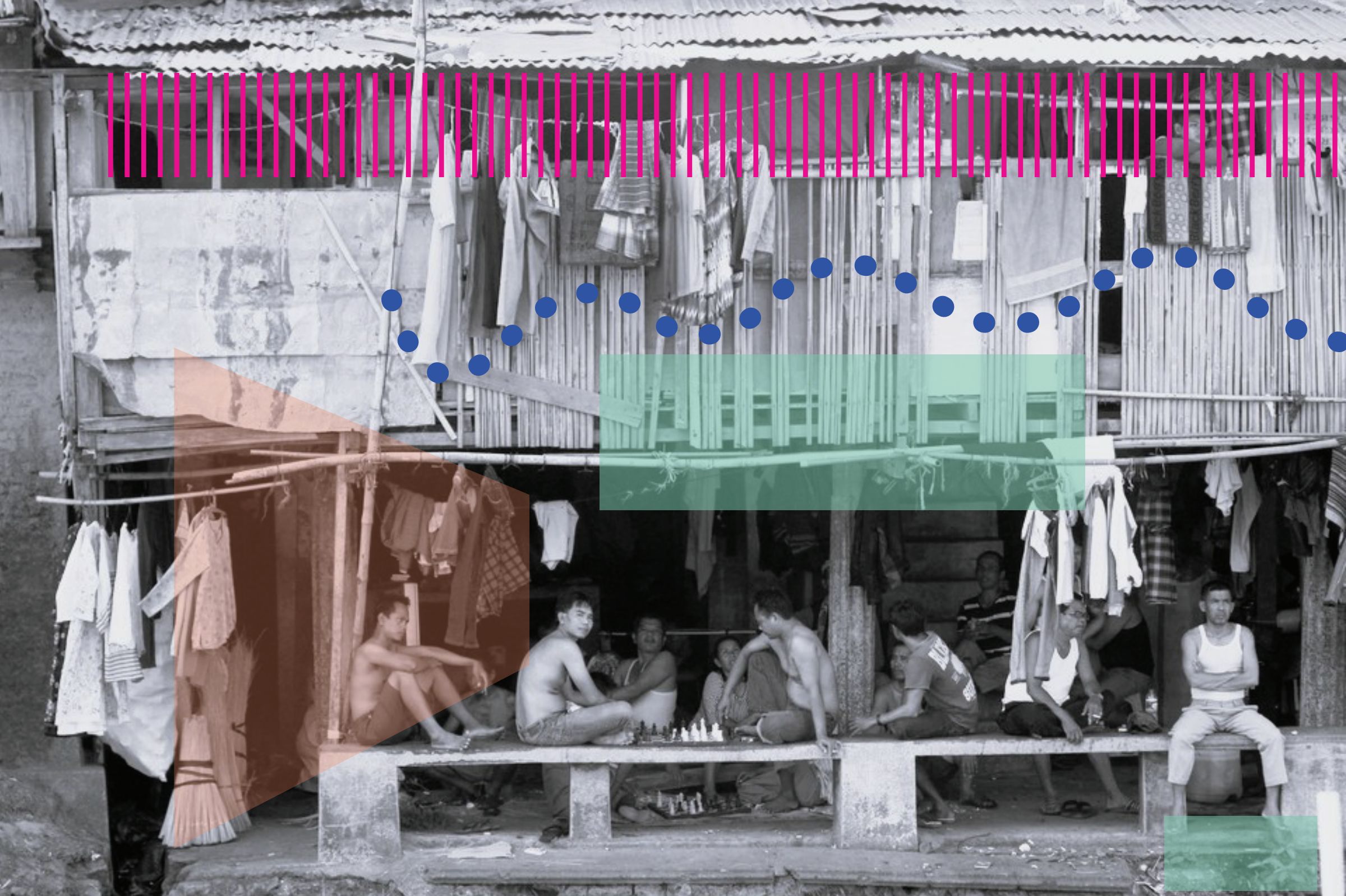
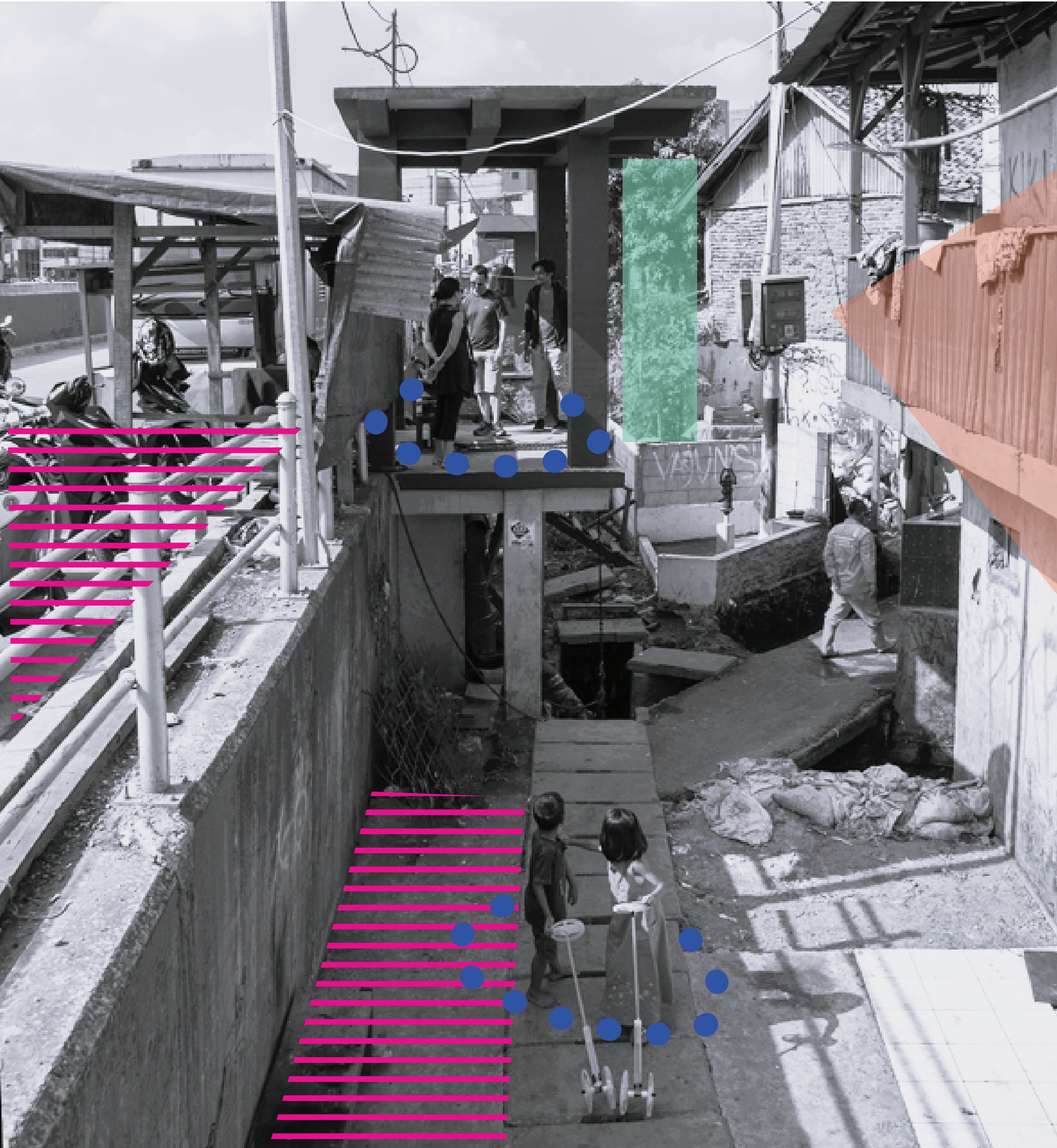

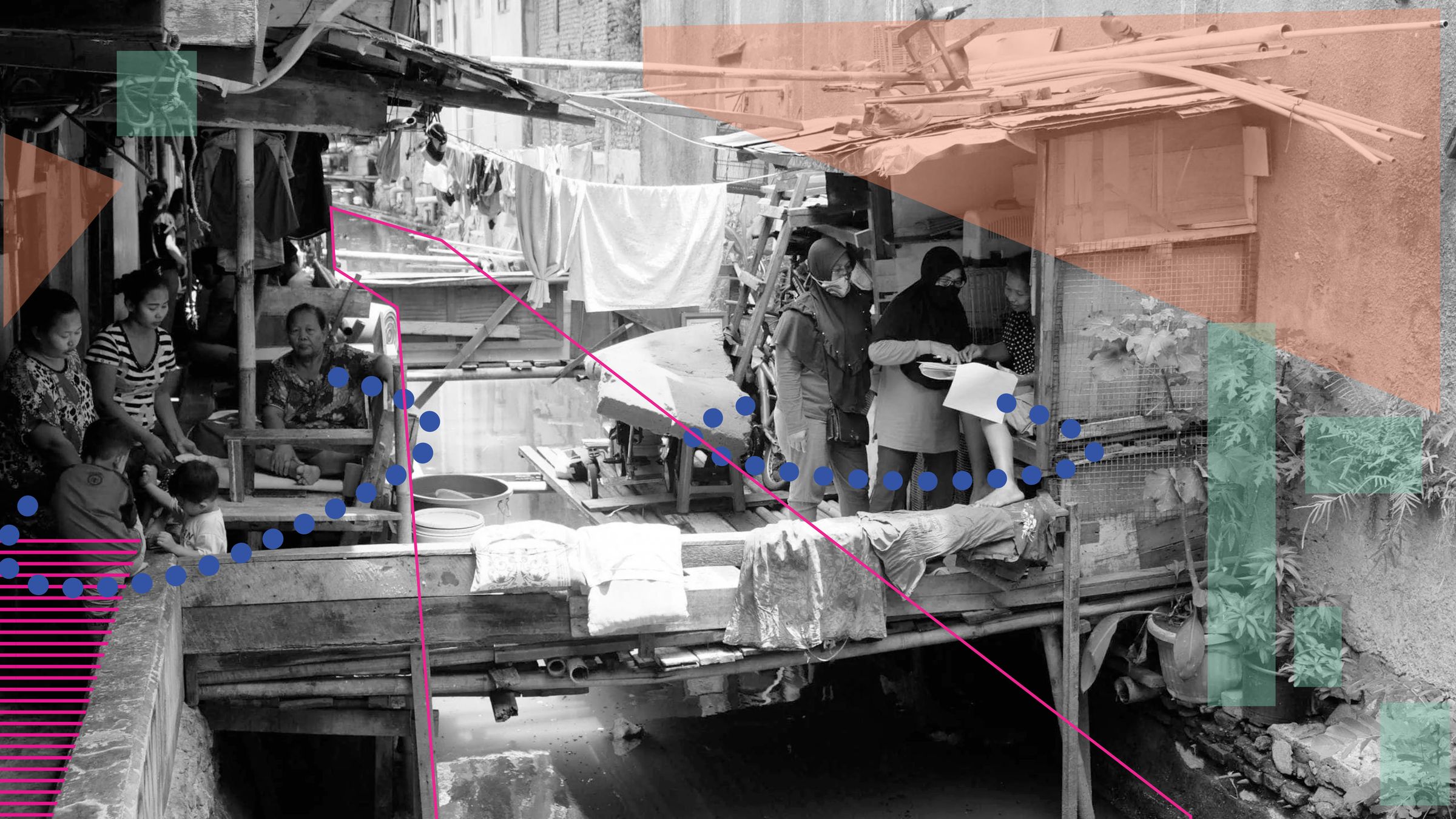

The Jakarta Case Study explores the fleeting Programmatic Interiorities of the megacity's extreme domestic environments. With year-round average temperatures at 90˚ F (32˚ C), Jakarta is enormous, dense, and economically and geographically constrained. Jakarta's population of 33 million generates a compound urban condition and informal, high-density domestic environments. This density has likewise situated Jakarta at the center of eastern studies of interiority. Residents of urban kampung housing settlements seek shelter from the heat and an expansion of their cramped domestic space; they often taking over public space for domestic tasks. These uses include washing laundry, cooking, doing homework, sharing a meal, or watching TV. Tropical climates and crenulated, porous building envelopes enable these conditions to occur, resulting in the exfiltration of the interior condition into the plein air, creating atmospherically informed programmatic interiorities. This Jakarta Case Study covers an approach to domestic space that is differentiated from most Eurocentric approaches to design, which frequently has distinct boundaries between interiority and exteriority.
Dissemination
“Two Psychologies of Public Interiority.” Presentation at Interior Design Educators Council Annual Conference, Chicago, IL.
Grants
Division of Student Success Departmental Research Assistant Grant